


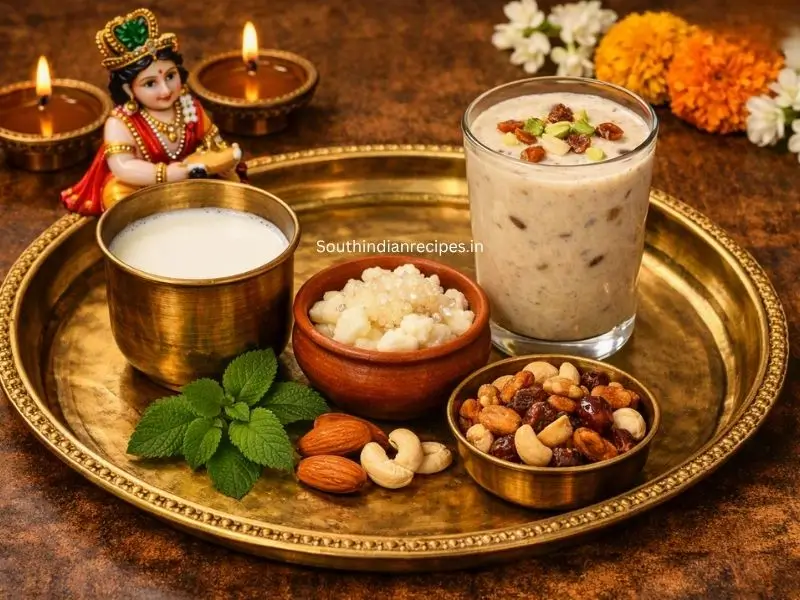
Janmashtami — the divine celebration of Lord Krishna’s birth — is one of the most sacred and joyous festivals in India. Devotees observe fasts, chant bhajans, and decorate their homes with flowers and diyas. But amid the rituals, one question often arises: Can we drink milk in Janmashtami fast?
As a festival expert who has spent years studying Hindu fasting traditions, I can say that milk holds a special place in Janmashtami. It’s not just permitted — it’s considered pure, sattvik, and symbolic of Lord Krishna himself, who is lovingly called Makhan Chor (the butter thief). Let’s explore the spiritual, cultural, and nutritional significance of milk during this sacred fast.
The Spiritual Significance of Milk on Janmashtami
Milk is deeply connected to Lord Krishna’s life and teachings. From stealing butter in Gokul to sharing curd with his friends, Krishna’s childhood revolved around dairy — a symbol of abundance and purity.
On Janmashtami, devotees offer milk, butter, and curd to the deity as part of bhog (divine offering). Drinking milk during the fast is not only allowed but encouraged, as it represents devotion, simplicity, and nourishment.
Why Milk Is Allowed During Janmashtami Fast
| Reason | Explanation |
|---|---|
| Sattvik Nature | Milk is pure, light, and spiritually uplifting — ideal for fasting. |
| Symbol of Devotion | Associated with Lord Krishna’s divine childhood. |
| Energy Source | Provides strength and hydration during long fasting hours. |
| Traditional Practice | Used in puja rituals and offerings across India. |
Types of Milk-Based Preparations for Janmashtami
| Dish | Ingredients | Significance |
|---|---|---|
| Makhan Mishri | Butter and sugar crystals | Krishna’s favorite treat |
| Dry Fruit Milkshake | Milk, almonds, dates, cashews | Energy-rich and sattvik |
| Thandai | Milk, cardamom, saffron, nuts | Cooling and festive |
| Sweet Lassi | Curd, milk, sugar | Refreshing and light |
| Kheer (Rice Pudding) | Milk, rice, jaggery | Traditional offering to Krishna |
Health Benefits of Drinking Milk During Fast
- Hydration: Keeps the body cool and hydrated during fasting.
- Protein & Calcium: Supports strength and bone health.
- Natural Energy: Provides sustained energy without heaviness.
- Digestive Ease: Gentle on the stomach compared to fried foods.
Milk vs Other Fasting Drinks
| Drink | Allowed in Fast? | Energy Level | Spiritual Value |
|---|---|---|---|
| Milk | ✅ Yes | High | Symbol of purity |
| Tea/Coffee | ❌ No | Moderate | Considered tamasic |
| Fruit Juice | ✅ Yes | Moderate | Refreshing and natural |
| Buttermilk | ✅ Yes | High | Cooling and sattvik |
| Soft Drinks | ❌ No | Artificial | Not suitable for fasting |
Personal Experience
In my kitchen, Janmashtami mornings begin with boiling fresh cow’s milk and adding a pinch of cardamom. My grandmother always said, “Milk is Krishna’s blessing — it keeps the body pure and the mind calm.”
I’ve followed this tradition for years, preparing dry fruit milkshake and makhan mishri as part of the bhog. It’s a simple yet powerful way to connect with the divine energy of the day.
Rituals and Offerings
- Offer milk, butter, and curd to Lord Krishna during midnight puja.
- Use cow’s milk if possible, as it’s considered most sacred.
- Avoid mixing milk with processed sugar; prefer jaggery or mishri.
- Decorate the puja thali with tulsi leaves and flowers.
Frequently Asked Questions (FAQs)
Que 1. Is milk allowed during Janmashtami fast?
Ans: Yes, milk is sattvik and considered sacred. It’s part of traditional offerings to Lord Krishna.
Que 2. Can I drink flavored milk?
Ans: Yes, if made with natural ingredients like cardamom, saffron, or dry fruits. Avoid artificial flavors.
Que 3. Is cold milk better or warm milk?
Ans: Warm milk is preferred for digestion and comfort during fasting.
Que 4. Can I mix milk with fruits?
Ans: Yes, bananas, dates, and almonds are ideal for fasting milkshakes.
Que 5. Is cow’s milk mandatory?
Ans: Not mandatory, but it’s considered spiritually superior in Hindu tradition.
Also Read: Can We Drink Coffee in Janmashtami Fast? — A Festival Expert’s Guide
Conclusion
So, can we drink milk in Janmashtami fast? Absolutely. Milk is not only allowed but revered as a symbol of purity and devotion. It nourishes the body, calms the mind, and honors Lord Krishna’s divine essence.
Whether you sip warm milk, prepare a dry fruit shake, or offer makhan mishri at midnight, remember — fasting is not about restriction, but about reverence. Milk connects you to the simplicity and sweetness of Krishna’s spirit.
In the end, the best way to celebrate Janmashtami is with devotion, purity, and a heart full of gratitude — and a glass of milk offered with love.