


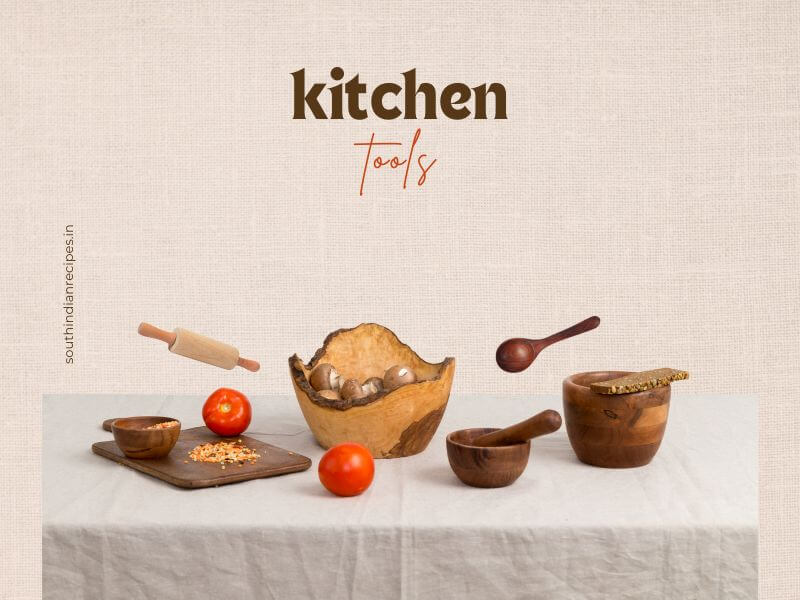
The kitchen is the heart of every home. It’s where flavors come alive, traditions are passed down, and creativity finds its spark. But behind every delicious dish lies a set of kitchen tools that make cooking efficient, safe, and enjoyable. Whether you’re a beginner learning to chop onions or a seasoned chef experimenting with gourmet recipes, the right tools can transform your cooking journey.
This guide explores essential kitchen tools, explains their uses in detail, and highlights how to choose the best ones. This article draws from real cooking experience, expert recommendations, and trusted culinary practices to help you make informed decisions.
Why Kitchen Tools Matter
- Efficiency: Save time and effort with the right gadgets.
- Consistency: Tools like measuring cups and mixers ensure uniform results.
- Safety: A sharp knife or ergonomic peeler reduces accidents.
- Creativity: Specialized tools like zesters or pasta makers open new recipe possibilities.
Essential Kitchen Tools and Their Uses
1. Chef’s Knife
If there’s one tool that defines a kitchen, it’s the chef’s knife. Often called the “workhorse” of cooking, this versatile blade is used for chopping, slicing, dicing, and mincing almost every ingredient you can imagine. Whether you’re preparing a quick salad or a gourmet meal, the chef’s knife is the tool you’ll reach for most often.
A chef’s knife is a broad, sharp blade typically ranging from 6 to 12 inches in length. Its curved edge allows for a rocking motion while cutting, making it efficient for both precision and speed. Unlike specialty knives, it’s designed to handle multiple tasks — from cutting meat to finely chopping herbs.


Uses of a Chef’s Knife
- Chopping Vegetables: Onions, carrots, peppers, and more.
- Slicing Meat & Fish: Clean cuts without tearing fibers.
- Mincing Herbs & Garlic: The curved blade makes rocking motions easy.
- Crushing: The flat side of the blade can crush garlic cloves or ginger.
2. Cutting Board

A cutting board may seem like a simple kitchen accessory, but it’s one of the most essential kitchen tools you’ll ever own. From chopping vegetables to slicing meats, your cutting board is the foundation of safe and efficient cooking. Choosing a durable cutting board not only protects your knives but also ensures hygiene, longevity, and ease of use.
Uses of Durable Cutting Boards
- Chopping & Slicing: Vegetables, fruits, meats, and bread.
- Food Safety: Separate boards for raw meat and fresh produce to avoid contamination.
- Serving Platters: Wooden and bamboo boards double as cheese boards or snack trays.
- Dough & Rolling Base: Large boards can be used for kneading or rolling rotis/parathas.
- Hot Pad Substitute: Wooden or steel boards can temporarily hold hot pans.
- Decorative Utility: Adds a rustic or modern touch to kitchen aesthetics.
3. Measuring Cups & Spoons

Cooking is an art, but baking is a science — and both rely on precision. That’s where measuring cups and spoons come in. These simple yet essential kitchen tools ensure that your recipes turn out exactly as intended. Whether you’re making a cake, brewing coffee, or preparing spice blends, accurate measurements are the difference between success and failure.
Uses of Measuring Cups & Spoons
1. Baking Precision
- Why: Baking requires exact ratios of flour, sugar, butter, and liquids.
- Example: Using a measuring cup ensures your cake batter has the right consistency.
2. Cooking Consistency
- Why: Even in savory cooking, consistency matters.
- Example: A teaspoon of salt or a tablespoon of oil can make or break a dish’s flavor balance.
3. Spice & Seasoning Control
- Why: Strong spices like chili powder, cinnamon, or nutmeg need careful measurement.
- Example: Measuring spoons help avoid overpowering flavors.
4. Liquid Measurements
- Why: Liquids expand or reduce differently than solids.
- Example: Measuring cups with spouts are perfect for milk, broth, or oil.
5. Diet & Portion Control
- Why: For health‑conscious cooking, measuring tools help track calories and macros.
- Example: Measuring ½ cup of oats or 1 tablespoon of peanut butter ensures portion accuracy.
6. DIY & Beverages
- Why: Cocktails, smoothies, and even homemade spice mixes need precision.
- Example: A tablespoon of lemon juice or a teaspoon of vanilla extract can elevate flavor.
4. Mixing Bowls

A mixing bowl is a round, open‑topped container designed for combining ingredients. Available in various sizes and materials — stainless steel, glass, ceramic, or plastic — these bowls are used in nearly every stage of cooking and baking. Their simplicity hides their importance: without them, even the most basic recipes would be difficult to execute.
Uses of Mixing Bowls
1. Mixing Ingredients
- Primary Use: From whisking eggs to folding cake batter, mixing bowls are designed for combining ingredients evenly.
- Pro Tip: Stainless steel bowls are lightweight and perfect for vigorous mixing, while glass bowls let you see the mixture from all angles.
2. Marinating Meats & Vegetables
- Why: Their deep design makes them ideal for coating meats and veggies with spices, sauces, or oils.
- Pro Tip: Use non‑reactive bowls (glass or stainless steel) for acidic marinades like lemon or vinegar.
3. Tossing Salads
- Why: Large bowls provide enough space to toss greens, dressings, and toppings without spilling.
- Pro Tip: Wooden or ceramic bowls double as serving dishes for salads.
4. Whipping & Beating
- Why: Perfect for whipping cream, beating eggs, or mixing dough.
- Pro Tip: Chill a stainless steel bowl before whipping cream for faster, fluffier results.
5. Serving & Presentation
- Why: Mixing bowls aren’t just for prep — stylish ceramic or glass bowls can be used to serve pasta, curries, or desserts.
- Pro Tip: Choose bowls with decorative finishes for dual use in prep and presentation.
6. Storage & Leftovers
- Why: Many modern mixing bowls come with airtight lids, making them perfect for storing prepped ingredients or leftovers.
- Pro Tip: Stackable sets save space in smaller kitchens.
7. Double Boiler Setup
- Why: A heatproof mixing bowl placed over simmering water works as a makeshift double boiler.
- Use Case: Melting chocolate, making custards, or delicate sauces.
5. Non‑Stick Pan


A non‑stick pan is coated (commonly with Teflon or ceramic) to prevent food from sticking. It’s lightweight, easy to clean, and perfect for delicate foods.
Uses of Non‑Stick Pan
- Cooking Eggs & Pancakes: Effortless flipping without sticking.
- Low‑Oil Cooking: Ideal for health‑conscious meals.
- Delicate Foods: Perfect for fish fillets, crepes, and dosa.
- Quick Meals: Heats up fast, making it great for everyday cooking.
6. Cast Iron Skillet

A cast iron skillet is made from molten iron poured into molds, creating a heavy, durable pan. When seasoned properly, it develops a natural non‑stick surface and can last for generations.
Uses of Cast Iron Skillet
- High‑Heat Cooking: Perfect for searing steaks, chicken, and paneer.
- Baking: Can be used for cornbread, pizzas, and even desserts.
- Slow Cooking: Retains heat for curries, stews, and braises.
- Outdoor Cooking: Works on stovetops, ovens, grills, and even campfires.
7. Pressure Cooker

A pressure cooker is a sealed pot that uses steam pressure to cook food quickly. By trapping steam inside, it raises the boiling point of water, allowing food to cook faster than conventional methods.
Uses of a Pressure Cooker
- Cooking Lentils & Beans: Perfect for dals, chickpeas, and kidney beans.
- Rice & Grains: Fluffy rice, quinoa, and millets in minutes.
- Curries & Stews: Deep flavors develop quickly under pressure.
- Meat Dishes: Tenderizes tough cuts of meat efficiently.
- Steaming Vegetables: Retains nutrients and color.
8. Instant Pot

The Instant Pot is an electric, programmable version of the pressure cooker. It combines multiple appliances into one — pressure cooker, slow cooker, rice cooker, steamer, sauté pan, and even yogurt maker. It’s especially popular in modern kitchens for its convenience and versatility.
Uses of an Instant Pot
- One‑Pot Meals: Cook rice, curries, or pasta dishes in a single appliance.
- Slow Cooking: Ideal for soups, broths, and stews.
- Yogurt Making: Ferments milk into homemade yogurt.
- Steaming & Sautéing: From dumplings to stir‑fries.
- Baking & Desserts: Cheesecakes, puddings, and even brownies.
- Meal Prep: Batch‑cook beans, grains, or chicken for the week.
9. Blender

A blender is designed to handle liquids and soft foods. Its tall jar and sharp blades create a vortex that pulls ingredients down for smooth blending.
Uses of a Blender
- Smoothies & Shakes: Perfect for fruits, vegetables, protein powders, and ice.
- Soups & Sauces: Puree hot or cold ingredients into silky textures.
- Chutneys & Dips: Great for Indian chutneys, hummus, or salsa.
- Cocktails & Beverages: Crush ice for margaritas, mojitos, or cold coffee.
- Baby Food: Blend fruits and veggies into smooth purees.
10. Food Processor

A food processor is built for heavier, more labor‑intensive tasks. With a wide bowl, multiple blades, and attachments, it excels at chopping, slicing, shredding, and kneading.
Uses of a Food Processor
- Chopping & Slicing: Onions, carrots, cucumbers, and more in seconds.
- Shredding & Grating: Cheese, cabbage, or carrots for salads and toppings.
- Dough Kneading: Saves time and effort in making bread, pizza, or roti dough.
- Nut Butters & Pastes: Grind peanuts, almonds, or spices into smooth pastes.
- Meal Prep: Speeds up bulk chopping for weekly cooking.
11. Whisk

A whisk is a kitchen tool with a handle and wire loops, designed to incorporate air into ingredients and blend them smoothly.
Uses of a Whisk
- Whipping Cream & Eggs: Creates light, fluffy textures.
- Mixing Batters: Perfect for pancakes, cakes, and muffins.
- Emulsifying Sauces: Helps combine oil and vinegar in dressings or mayonnaise.
- Preventing Lumps: Smooths out gravies, custards, and sauces.
- Aerating Ingredients: Adds volume to egg whites or whipped cream.
12. Spatula Set

A spatula is a flat, flexible tool (often silicone or rubber) used for scraping, folding, and spreading.
Uses of a Spatula
- Scraping Bowls: Ensures no batter, sauce, or frosting goes to waste.
- Folding Ingredients: Gently combines whipped cream, egg whites, or mousse without losing air.
- Cooking & Stirring: Heat‑resistant spatulas are ideal for sautéing or stirring sauces.
- Spreading: Perfect for frosting cakes, spreading butter, or layering desserts.
- Non‑Stick Safe: Silicone spatulas won’t scratch delicate cookware.
13. Colander

A colander is a bowl‑shaped kitchen tool with large perforations (holes) designed to drain liquids from solid foods. Typically made of stainless steel, plastic, or silicone, colanders often come with handles and a base for stability.
Uses of a Colander
- Draining Pasta & Noodles: Quickly separates hot water from cooked pasta.
- Washing Vegetables & Fruits: Rinse produce under running water without losing small items.
- Draining Canned Foods: Removes excess liquid from beans, corn, or chickpeas.
- Straining Boiled Foods: Ideal for potatoes, rice, or lentils after boiling.
- Steaming (Hack): Place a colander over a pot of boiling water to steam vegetables.
14. Strainer

A strainer is a mesh tool (fine or coarse) designed for filtering liquids or sifting dry ingredients. Unlike colanders, strainers are usually handheld and come in various mesh sizes for different tasks.
Uses of a Strainer
- Sifting Flour & Dry Ingredients: Ensures lump‑free flour for baking.
- Straining Tea or Coffee: Separates leaves or grounds from liquid.
- Filtering Stocks & Soups: Removes bones, herbs, or impurities for a clear broth.
- Juicing Fruits: Separates seeds and pulp from fresh juice.
- Dusting Desserts: Fine mesh strainers are perfect for sprinkling powdered sugar or cocoa.
15. Storage Containers

Storage containers are reusable vessels made of plastic, glass, stainless steel, or silicone, designed to store dry goods, liquids, or cooked meals. They come in various shapes and sizes, often with airtight lids to preserve freshness and prevent contamination.
Uses of Storage Containers in the Kitchen
1. Preserving Freshness
- Airtight containers keep cereals, pulses, rice, and flour safe from moisture and pests.
- Glass jars preserve the aroma of spices and coffee beans.
2. Meal Prep & Leftovers
- Perfect for storing pre‑chopped vegetables, marinated meats, or cooked meals.
- Microwave‑safe containers make reheating quick and convenient.
3. Portion Control & Dieting
- Helps in managing serving sizes for calorie‑conscious cooking.
- Great for packing lunch boxes with measured portions.
4. Organizing Pantry & Refrigerator
- Stackable containers maximize space in cupboards and fridges.
- Transparent designs let you see contents at a glance, reducing food waste.
5. Freezer Storage
- Freezer‑safe containers store soups, curries, and seasonal produce for months.
- Prevents freezer burn when sealed properly.
6. On‑the‑Go Convenience
- Leak‑proof containers are ideal for carrying smoothies, salads, or snacks.
- Stainless steel tiffins remain popular for school and office lunches.
7. Specialty Uses
- Vacuum‑sealed containers extend the shelf life of perishable foods.
- Silicone pouches are eco‑friendly alternatives for storing liquids or snacks.
16. Tongs

Tongs are handheld tools with two arms joined at one end, designed to grasp and lift objects. In the kitchen, they’re typically made of stainless steel, silicone, or bamboo, and come in various shapes and sizes depending on their purpose.
Uses of Tongs in the Kitchen
1. Grilling & Barbecuing
- Safely flip kebabs, paneer tikka, chicken, or vegetables on a hot grill.
- Long‑handled tongs keep your hands away from flames.
2. Frying
- Perfect for turning pakoras, cutlets, or French fries in hot oil.
- Prevents splashes and burns compared to using a spoon.
3. Serving Food
- Ideal for serving salads, pasta, noodles, or rotis.
- Hygienic and elegant for buffets or family dinners.
4. Cooking & Stirring
- Flip parathas, dosas, or pancakes without breaking them.
- Toss stir‑fried veggies or noodles evenly.
5. Handling Hot Items
- Lift steamed idlis, momos, or boiled corn safely.
- Move hot cookware lids or oven trays without mitts.
6. Baking & Roasting
- Turn roasted vegetables, potatoes, or meats for even cooking.
- Retrieve hot items from the oven with precision.
17. Paring Knife

A paring knife is a short, narrow knife with a blade typically ranging from 2.5 to 4 inches. Its compact size makes it easy to maneuver, allowing cooks to perform intricate tasks that larger knives can’t handle.
Uses of a Paring Knife
1. Peeling Fruits & Vegetables
- Ideal for peeling apples, potatoes, cucumbers, and more.
- Offers more control than a peeler for thin or decorative cuts.
2. Trimming & Coring
- Perfect for removing strawberry stems, coring tomatoes, or trimming beans.
- Helps prepare produce neatly and efficiently.
3. Deveining Shrimp & Removing Seeds
- Easily removes shrimp veins or seeds from chilies and peppers.
- Precision ensures minimal waste.
4. Creating Garnishes
- Great for decorative cuts like citrus twists, carved vegetables, or fruit flowers.
- Adds a professional touch to plating.
5. In‑Hand Cutting
- Designed for tasks done while holding the food in your hand (like peeling or segmenting).
- Compact blade ensures safety and accuracy.
6. Small Precision Cuts
- Slicing garlic, shallots, or herbs finely.
18. Hand Mixer

A hand mixer is a compact, handheld appliance with detachable beaters or whisks. It’s designed for mixing, whipping, and light kneading.
Uses of Hand Mixer
- Whipping cream & egg whites → Perfect for cakes, mousses, and meringues.
- Mixing cake or pancake batter → Ensures smooth, lump‑free consistency.
- Kneading soft dough → Great for cookies or light bread dough.
- Blending sauces & dressings → Quick and uniform mixing.
19. Microwave Oven

A microwave oven uses electromagnetic waves to heat and cook food quickly. It’s one of the most versatile and time‑saving kitchen appliances.
Uses of Microwave Oven
- Reheating leftovers → Fast and convenient without losing flavor.
- Cooking quick meals → Mug cakes, steamed veggies, or instant noodles.
- Defrosting frozen food → Saves time compared to natural thawing.
- Sterilizing kitchen items → Baby bottles, sponges, or jars.
20. Toaster

A toaster is a small appliance designed to brown slices of bread using radiant heat.
Uses of Toaster
- Toasting bread → Crispy, golden slices for breakfast.
- Warming bagels, buns, or pita → Enhances texture and taste.
- Making quick snacks → Garlic bread, bruschetta, or buttered toast.
21. Sandwich Maker

A sandwich maker (or sandwich toaster) is a compact appliance with heated plates that press and toast sandwiches.
Uses of Sandwich Maker
- Grilled sandwiches → Cheese, veggie, or chicken sandwiches in minutes.
- Multi‑purpose cooking → Some models allow grilling paneer, cutlets, or even omelets.
- Quick snacks → Perfect for evening bites or kids’ tiffins.
22. Air Fryer

An air fryer is a countertop appliance that uses rapid hot air circulation to cook food. It mimics the results of deep frying but requires only a fraction of the oil. Most models can reach 200°C (400°F) in just a few minutes, making them faster and more energy‑efficient than traditional ovens.
Uses of an Air Fryer
1. Frying with Less Oil
- Crispy French fries, samosas, pakoras, or chicken wings with up to 85% less oil than deep frying.
- Healthier option without compromising on taste.
2. Roasting Vegetables & Meats
- Perfect for roasted potatoes, carrots, paneer tikka, or chicken drumsticks.
- Even cooking with a crunchy outside and juicy inside.
3. Baking
- Yes, you can bake! Cookies, muffins, cupcakes, and even small cakes turn out well in an air fryer.
4. Reheating Leftovers
- Unlike microwaves, air fryers reheat food while restoring crispiness (great for pizza, fries, or pakoras).
5. Grilling & Broiling
- Grill fish fillets, kebabs, or sandwiches with minimal oil.
- Some models come with grill racks for added versatility.
6. Dehydrating Snacks
- Make healthy dried fruits, veggie chips, or even homemade granola.
7. Toasting & Crisping
- Revives soggy snacks into crunchy bites.
- Toast bread, bagels, or nuts quickly.
Advanced Kitchen Tools for Enthusiasts
- Mandoline Slicer: For paper‑thin, uniform vegetable cuts.
- Digital Thermometer: Ensures meats and baked goods are cooked perfectly.
- Mortar & Pestle: Adds authentic flavor to spices and pastes.
- Stand Mixer: A baker’s dream for kneading dough and whipping cream.
Expert Tips for Choosing Kitchen Tools
- Quality over quantity: A few durable tools beat a drawer full of cheap ones.
- Ergonomics matter: Comfortable handles reduce strain during long cooking sessions.
- Maintenance: Tools that are dishwasher‑safe or easy to clean save time.
- Sustainability: Opt for eco‑friendly materials like bamboo or stainless steel.
Conclusion
Kitchen tools are more than just accessories — they’re investments in your cooking journey. By choosing wisely, you’ll save time, cook safer, and unlock new levels of creativity in the kitchen. Whether you’re stocking your first apartment or upgrading your culinary arsenal, this guide ensures you’re equipped with the best kitchen tools for home cooking.