


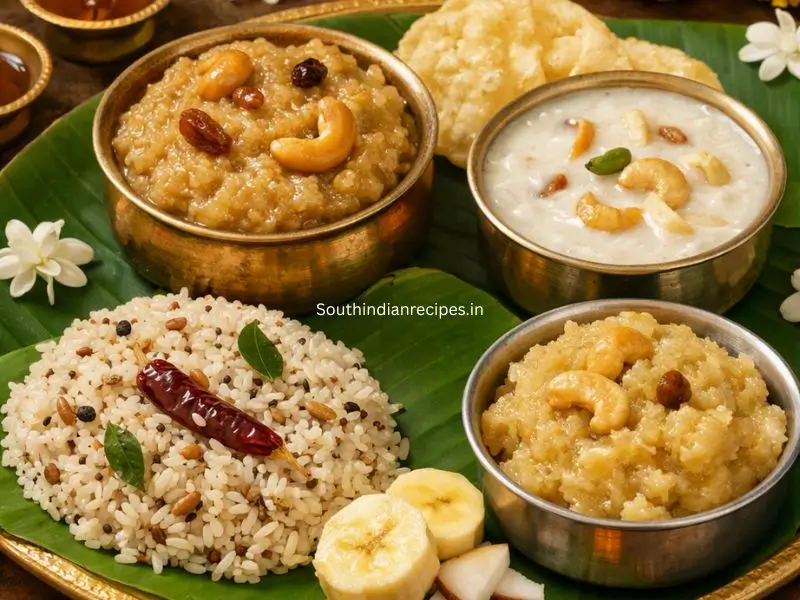
Nag Panchami is one of India’s most spiritually charged festivals, honoring the serpent deities — symbols of fertility, protection, and cosmic balance. In South India, this day transforms kitchens into sacred spaces filled with the aroma of ghee, coconut, and jaggery.
As a food expert who grew up in a Tamil household, I’ve always seen Nag Panchami as a celebration of purity and gratitude. The dishes prepared are sattvik (onion- and garlic-free), emphasizing balance and devotion. Each recipe carries cultural meaning — from the humble rice offerings to elaborate sweets that mark the divine connection between nature and nourishment.
Significance of Food During Nag Panchami
Food offered on this day is considered prasadam, symbolizing respect for nature’s cycles. Traditionally, families prepare dishes using rice, milk, jaggery, and coconut — ingredients that represent purity and prosperity.
Common rules observed:
- Avoid onion, garlic, and meat.
- Use fresh, homemade ghee.
- Offer food to the deity before consumption.
9 Nag Panchami Special Recipes (South Indian Style)
1. Ellu Sadam (Sesame Rice)

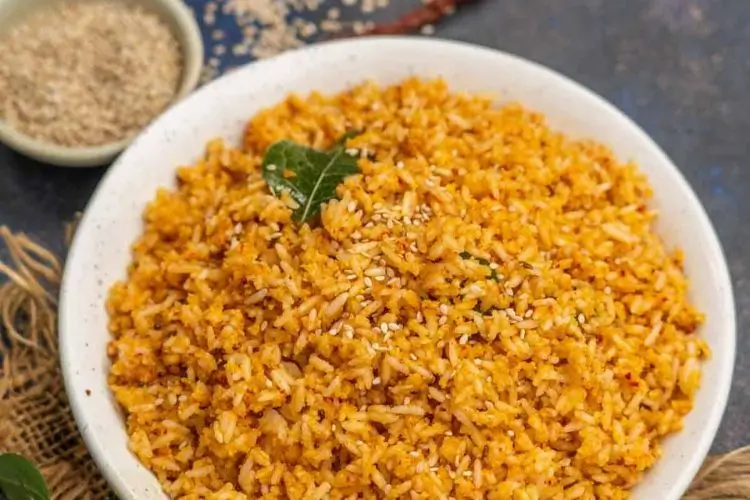
A signature dish of Tamil Nadu’s Nag Panchami celebrations.
Ingredients: Cooked rice, sesame seeds, dry red chilies, curry leaves, and ghee.
Method: Roast sesame seeds and grind them with chilies. Mix with rice and ghee.
Symbolism: Sesame seeds are believed to purify the body and ward off negative energy.
2. Thengai Payasam (Coconut Kheer)
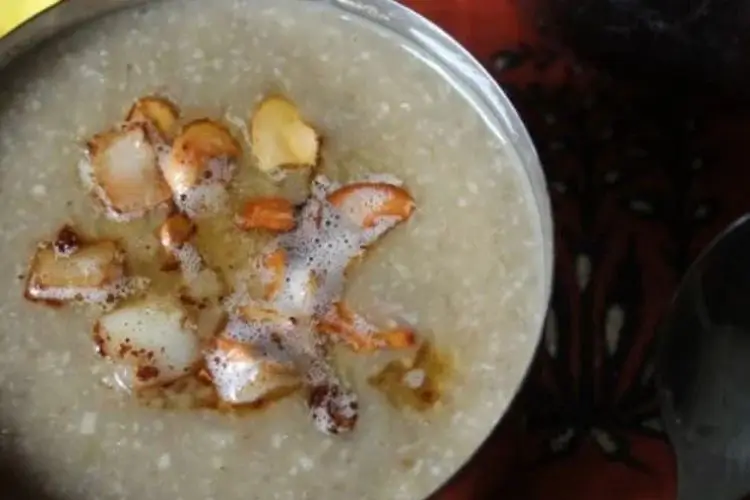
A creamy dessert made with coconut milk and jaggery.
Ingredients: Coconut milk, jaggery, cardamom, and cashews.
Method: Boil coconut milk with jaggery, add roasted cashews, and simmer until thick.
Tip: Use jaggery instead of sugar for authentic flavor.
3. Lemon Rice (Elumichai Sadam)

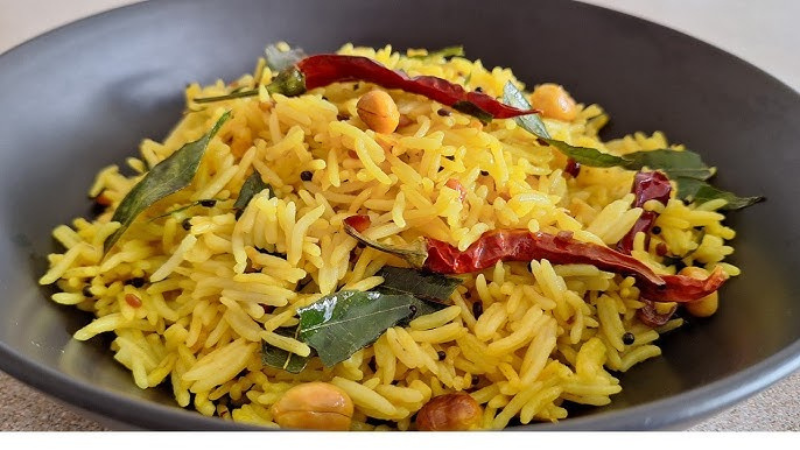
A vibrant offering that balances tang and spice.
Ingredients: Cooked rice, lemon juice, mustard seeds, curry leaves, and turmeric.
Method: Temper mustard seeds and curry leaves in ghee, mix with rice and lemon juice.
Pair With: Coconut chutney or curd for a complete meal.
4. Sweet Pongal (Sakkarai Pongal)
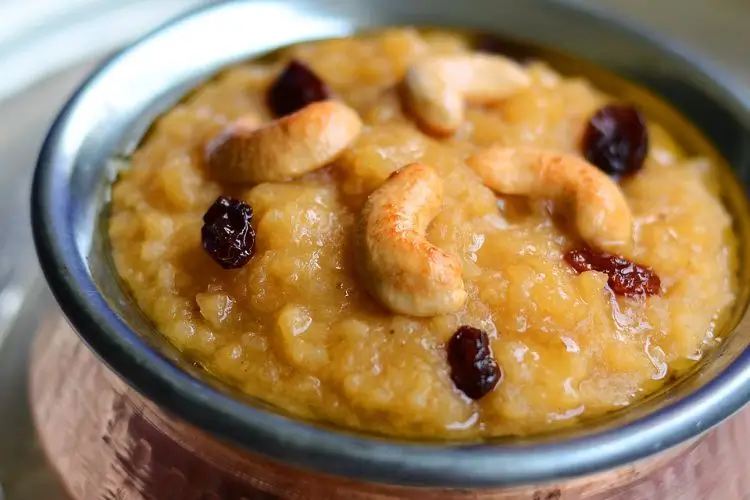
A festive favorite across South India.
Ingredients: Rice, moong dal, jaggery, ghee, cashews, and raisins.
Method: Cook rice and dal together, add melted jaggery, and finish with ghee and nuts.
Significance: Represents abundance and gratitude to nature.
5. Curd Rice (Thayir Sadam)
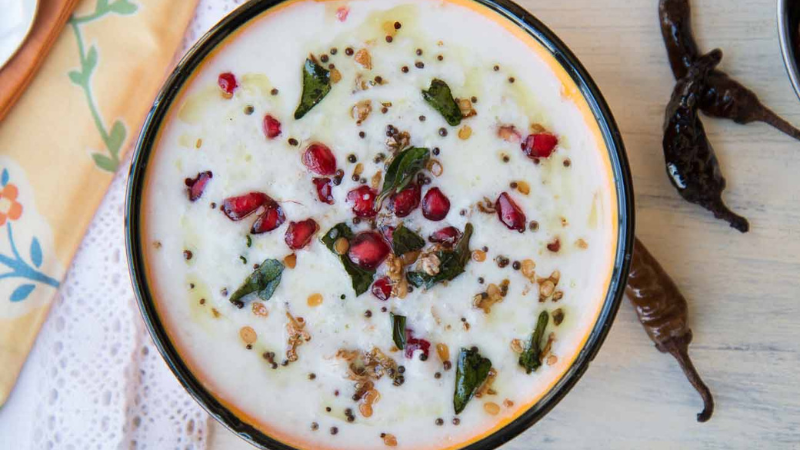
A cooling dish perfect for summer festivals.
Ingredients: Cooked rice, curd, milk, mustard seeds, curry leaves, and coriander.
Method: Mix rice with curd and milk, temper with mustard seeds and curry leaves.
Note: Always use fresh curd for smooth texture.
6. Vegetable Upma
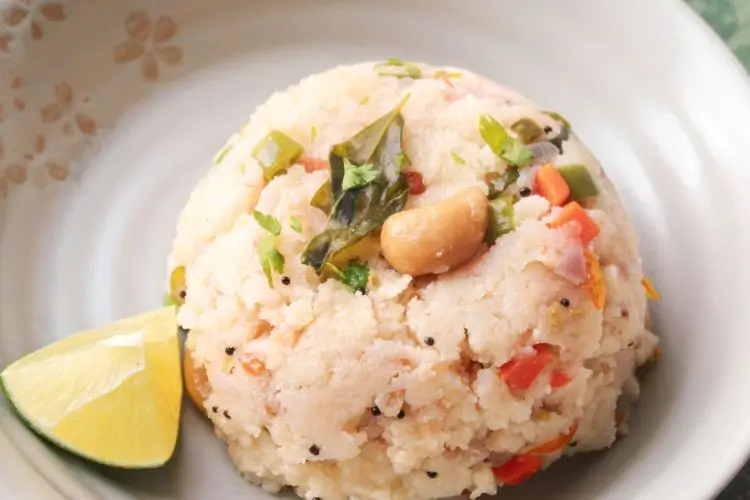
A light, wholesome dish ideal for fasting days.
Ingredients: Semolina, carrots, peas, curry leaves, and ghee.
Method: Roast semolina, sauté vegetables, and cook with water until fluffy.
Variation: Add grated coconut for extra flavor.
7. Aval Payasam (Poha Kheer)
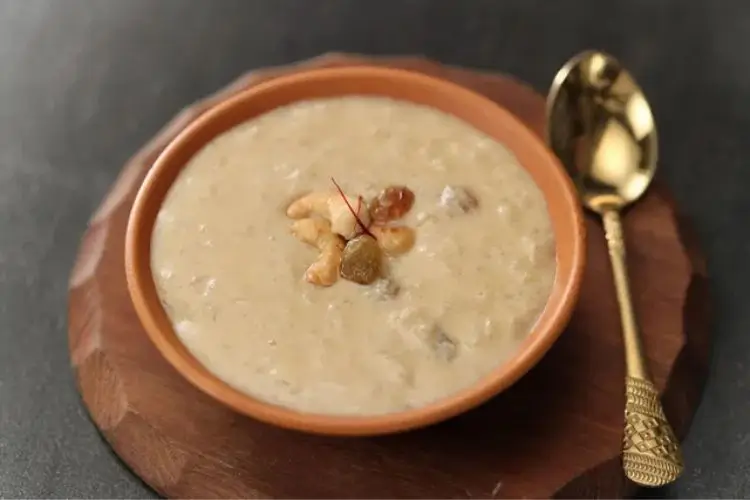
A quick sweet dish made with flattened rice.
Ingredients: Poha, milk, jaggery, cardamom, and cashews.
Method: Boil milk, add poha and jaggery, simmer until thick, and garnish with nuts.
Tip: Use thick poha for better texture.
8. Coconut Ladoo (Thengai Urundai)
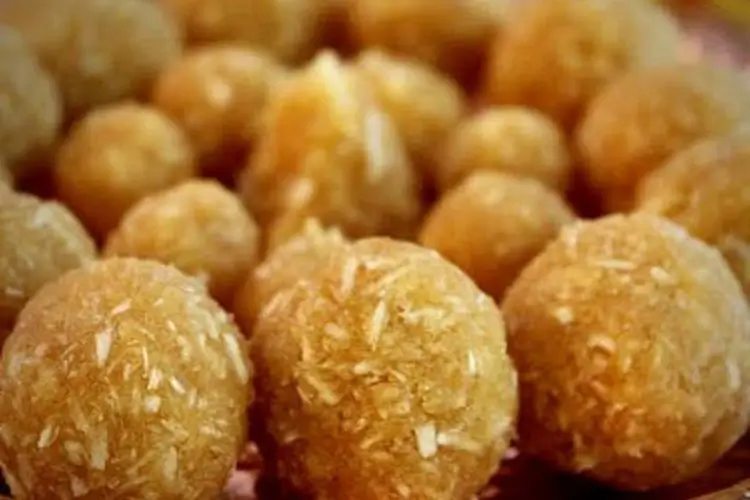
A simple sweet that’s easy to prepare and store.
Ingredients: Grated coconut, jaggery, and cardamom.
Method: Heat jaggery syrup, mix with coconut, and roll into small balls.
Symbolism: Represents purity and devotion.
9. Banana Sheera (Pazham Kesari)
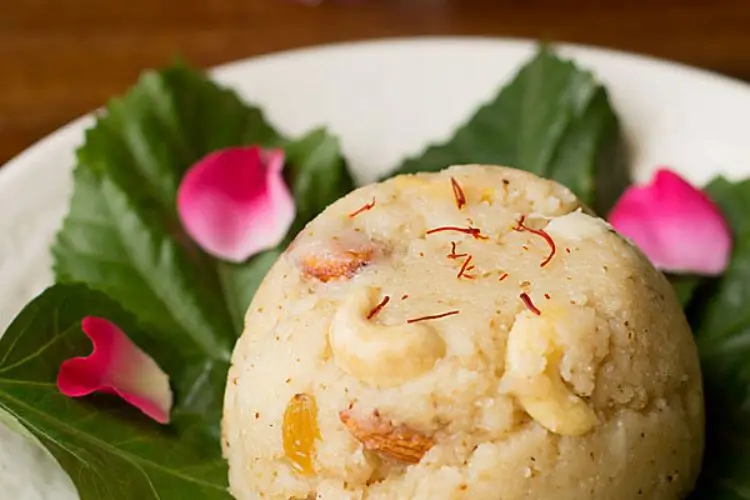
A fragrant semolina pudding with banana.
Ingredients: Semolina, banana, ghee, sugar, and cardamom.
Method: Roast semolina, add mashed banana, sugar, and ghee.
Flavor Tip: Add saffron for festive aroma.
Sweet vs Savory Offerings
| Type | Dish Name | Main Ingredient | Symbolism |
|---|---|---|---|
| Sweet | Sweet Pongal | Rice & Jaggery | Prosperity |
| Sweet | Coconut Payasam | Coconut Milk | Purity |
| Savory | Lemon Rice | Rice & Lemon | Balance |
| Savory | Ellu Sadam | Sesame Seeds | Protection |
Expert Tips for Nag Panchami Cooking
- Use earthen pots for authenticity and flavor.
- Avoid processed sugar; prefer jaggery or palm sugar.
- Offer food on banana leaves for traditional presentation.
- Keep the kitchen clean and calm — cooking is part of the ritual.
- Include fresh fruits like banana and mango in the offering thali.
Personal Touch
Every Nag Panchami morning in my kitchen begins with grinding sesame seeds and melting jaggery — aromas that remind me of my grandmother’s rituals in Tamil Nadu. She believed food offered with devotion carries blessings. I continue that tradition, preparing Ellu Sadam and Thengai Payasam as my humble offerings.
Frequently Asked Questions (FAQs)
Q1. Why are sesame seeds used on Nag Panchami?
Ans: They symbolize purity and are believed to please serpent deities.
Q2. Can onion or garlic be used in these recipes?
Ans: No, all dishes are sattvik and free from onion and garlic.
Q3. Are these recipes suitable for fasting?
Ans: Yes, most are light, vegetarian, and easy to digest.
Q4. Can I use sugar instead of jaggery?
Ans: Yes, but jaggery adds traditional flavor and authenticity.
Q5. What fruits are ideal for offering?
Ans: Banana, mango, and coconut are considered auspicious.
Conclusion
Nag Panchami special recipes are not just about taste — they’re about devotion, purity, and gratitude. Each dish, from Ellu Sadam to Thengai Payasam, reflects the harmony between nature and nourishment.
Cooking on this day is a spiritual act — a way to honor the divine and celebrate life’s abundance. Whether you follow Tamil, Kannada, or Telugu traditions, these recipes bring the essence of South Indian culture to your festive table.