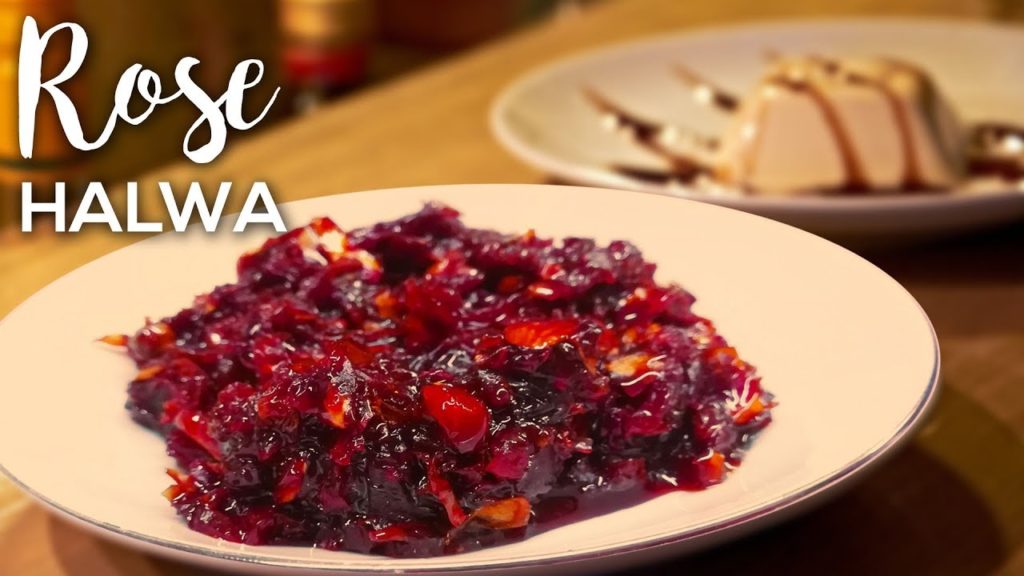
Halva is a traditional Middle Eastern dessert that originated in Persia. Halvah, which means sweet and sticky paste or confection made from boiled wheat flour and sugar syrup, dates back to the 7th century when it was used as a medicinal food for those suffering from diabetes mellitus. By the 9th century, this yummy treat has been eaten by kings all across Europe!
The earliest Persian recipes have been documented in the 13th-century Arabic book Kitab al-Tabikh (The Book of Dishes), as well as an anonymous cookbook from 13th-century Moorish Spain. Halva was adopted and expanded by the Ottoman Turks, including a sesame-based version, and spread throughout their empire.