


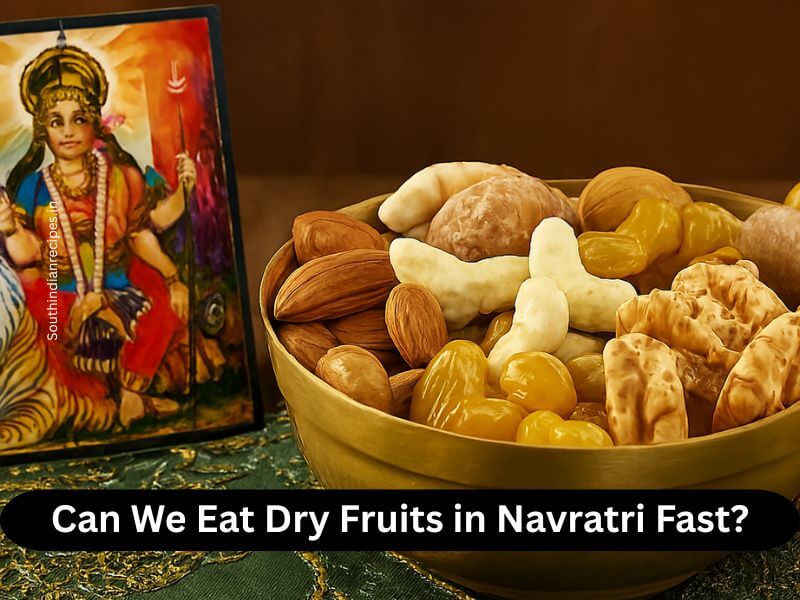
Navratri is more than just a festival — it’s a nine‑day spiritual journey of devotion, discipline, and purification. Many devotees observe a vrat (fast) during this period, following a satvik diet that excludes grains, pulses, regular salt, and processed foods. One common question that arises every year is: “Can we eat dry fruits in Navratri fast?” The answer is a resounding YES — not only are dry fruits allowed, they are also one of the most recommended foods for sustaining energy and nutrition during fasting.
Navratri fasting follows the principle of falahaar — consuming fruits, certain vegetables, dairy, and natural plant‑based foods that are pure, wholesome, and easy to digest. Dry fruits fit perfectly into this category because they are:
- Natural and unprocessed (when bought in pure form)
- Nutrient‑dense with vitamins, minerals, and antioxidants
- Energy‑rich to keep you active during long fasting hours
- Satvik in nature, aligning with the spiritual and dietary guidelines of the vrat
Nutritional Benefits of Dry Fruits During Fasting
- Sustained Energy – The natural sugars in dates, raisins, and figs provide quick energy, while healthy fats in almonds and walnuts keep you full for longer.
- Rich in Micronutrients – Magnesium, potassium, iron, and calcium support overall health during reduced food intake.
- Good for Digestion – Fiber in figs, raisins, and apricots helps prevent constipation, a common fasting concern.
- Boosts Immunity – Antioxidants in dry fruits help fight fatigue and keep you feeling fresh.
- Portable & Convenient – Easy to carry and consume anywhere, without cooking.
Here’s a vrat‑friendly list with their unique benefits:
| Dry Fruit | Key Benefits | How to Consume |
|---|---|---|
| Almonds (Badam) | Protein, vitamin E, healthy fats | Soak overnight for better digestion |
| Cashews (Kaju) | Magnesium, good fats, creamy texture | Eat raw or add to kheer |
| Raisins (Kishmish) | Natural sweetness, iron, digestion aid | Mix with milk or curd |
| Walnuts (Akhrot) | Omega‑3 fatty acids, brain health | Eat raw or with fruit salad |
| Dates (Khajoor) | Instant energy, fiber, minerals | Eat whole or stuffed with nuts |
| Figs (Anjeer) | Fiber, calcium, natural sweetness | Soak and eat for better absorption |
| Fox Nuts (Makhana) | Low calorie, high protein | Roast with rock salt for a snack |
- Trail Mix: Combine almonds, cashews, raisins, and makhana for a quick snack.
- Dry Fruit Laddoos: Blend dates, figs, and nuts — no added sugar needed.
- Kheer & Halwa: Add chopped dry fruits for texture and nutrition.
- Smoothies: Blend soaked almonds, dates, and milk for a filling drink.
- Toppings: Sprinkle on fruit salads or vrat‑friendly desserts.
Tips for Eating Dry Fruits During Fasting
- Moderation is Key – They are calorie‑dense, so a handful is enough.
- Choose Unsalted & Unroasted – Avoid added salt, sugar, or oil.
- Soak Hard Nuts – Improves digestion and nutrient absorption.
- Buy Fresh & Pure – Ensure they are free from preservatives and artificial colors.
Ans: Yes, dry fruits like almonds, cashews, raisins, walnuts, dates, figs, and makhana are allowed in Navratri fasting as they are considered satvik and provide essential nutrients.
Ans: They are nutrient‑dense, provide sustained energy, improve digestion, and help maintain strength during long fasting hours.
Ans: Almonds, cashews, raisins, walnuts, dates, figs, and makhana are ideal choices for energy, protein, and healthy fats.
Ans: You can eat them raw, soaked, roasted with rock salt, or add them to vrat‑friendly dishes like kheer, laddoos, smoothies, and fruit salads.
Que 5. Should Dry Fruits Be Soaked Before Eating During Fasting?
Ans: Yes, soaking almonds, walnuts, and figs improves digestion and nutrient absorption.
Ans: Avoid salted or oil‑roasted dry fruits. Choose plain, unsalted, and unprocessed varieties to keep the vrat satvik.
Ans: Yes, a handful of mixed dry fruits can serve as a filling and nutritious mini‑meal during fasting.
Que 8. Are Dry Fruits Suitable For People With Health Conditions During Fasting?
Ans: Yes, but those with diabetes or other health concerns should consume them in moderation and consult a doctor if needed.
Also Read: 10 South Indian Brahmin Recipes That Have Been Passed Down for Centuries!
Conclusion
Yes, you can absolutely eat dry fruits during Navratri fasting — and you should! They are nutritious, energising, and vrat‑friendly, making them a perfect companion for your spiritual journey. Whether eaten as a quick snack, blended into a smoothie, or added to festive sweets, dry fruits help you stay active, healthy, and focused on devotion throughout the nine days.