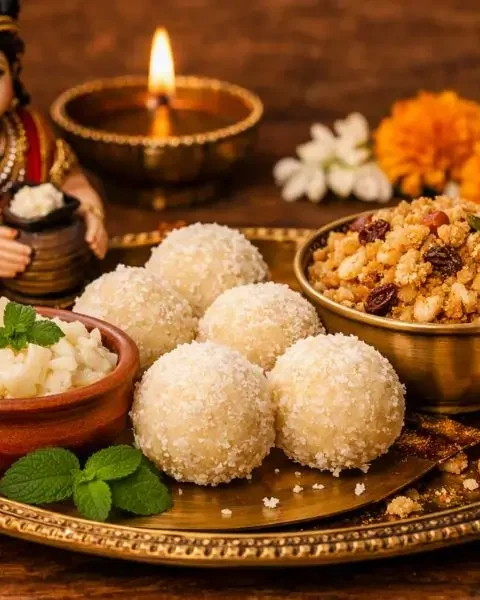
Navratri — the nine nights of devotion to Goddess Durga — is a sacred period when devotees observe Navratri fasting to purify the body and mind. The vrat (fast) involves following a sattvik diet, avoiding certain foods, and embracing spiritual discipline. One common question during this time is: Can we eat dates (khajoor) in Navratri fast? Let’s explore the answer with cultural traditions, nutritional benefits, and expert advice.
While Navratri fasting food lists vary by region and family tradition, the general vrat guidelines include:
- Avoiding grains like wheat and rice (except vrat flours such as kuttu, singhara, or rajgira atta).
- Eliminating onion, garlic, and non‑vegetarian foods.
- Using sendha namak (rock salt) instead of regular salt.
- Eating sattvik foods — fresh fruits, milk, nuts, and certain vegetables.
Some devotees follow a phalahar diet (fruits and milk only), while others include light sattvik meals once or twice a day.
Yes — in most traditions, dates are allowed in Navratri fast because:
- They are a natural fruit, fitting into the phalahar category.
- They contain no grains, onion, garlic, or processed additives.
- They provide quick energy, which is especially helpful during long fasting hours.
However, fasting rules can differ between communities, so always follow your family’s or temple’s specific vrat guidelines.
Including dates in vrat diet offers multiple health benefits:
- Instant Energy: Rich in natural sugars like glucose and fructose for quick stamina.
- Mineral Boost: High in potassium, magnesium, and iron to maintain electrolyte balance.
- Digestive Support: Contain dietary fiber to aid digestion during fasting.
- Antioxidants: Help protect cells from oxidative stress.
Expert Insights
- Ayurvedic View: Dates are considered madhura rasa (sweet taste) and snigdha guna (unctuous quality), which help maintain energy and calmness during fasting.
- Nutritionist’s Advice: “Dates are an excellent way to prevent fatigue during Navratri fasts. Pair them with nuts for sustained energy,” says Ritu Sharma, Clinical Nutritionist.
- Cultural Note: In many households, dates are offered as prasad during evening aarti, symbolizing sweetness and divine blessings.
- Eat 2–3 whole dates as a mid‑morning or evening snack.
- Blend with milk for a dates milkshake for Navratri.
- Chop and add to fruit chaat for vrat.
- Pair with almonds or walnuts for a nutrient‑dense snack.
Precautions
- Dates are calorie‑dense — moderation is key, especially for those with diabetes.
- Choose unpitted, preservative‑free dates for purity.
- Avoid packaged date products with added sugar or flavoring.
Frequently Asked Questions – (FAQs)
Ans: Yes, dates are vrat‑friendly and provide natural energy during fasting.
Ans: They offer instant energy, minerals, fiber, and antioxidants — ideal for fasting.
Ans: 2–3 dates a day are enough to boost energy without excess calories.
Ans: Dates have natural sugars, so diabetics should consult their doctor before consuming.
Ans: Eat whole, add to fruit chaat, blend into milkshakes, or pair with nuts.
Also Read: Can We Eat Honey in Navratri Fast? – Tradition, Benefits & Tips
Bottom Line
For most devotees, dates are allowed in Navratri fast and are a healthy, sattvik choice that provides energy, nutrition, and sweetness. As with all fasting foods, the key is moderation, mindfulness, and respect for tradition.