Janmashtami, the celebration of Lord Krishna’s birth, is a day of devotion, fasting, and purity. Devotees across India observe strict dietary rules, consuming only sattvik foods and avoiding anything considered tamasic (heavy or impure). Amid these rituals, a modern question often arises: Can we drink coffee in Janmashtami fast?
As a festival expert who has studied both traditional vrat practices and modern dietary habits, I’ve seen how this question reflects the balance between devotion and convenience. Coffee is a daily ritual for many, but fasting is about discipline and spiritual focus. Let’s explore the cultural, spiritual, and practical aspects of this question.
Traditional Rules of Janmashtami Fast
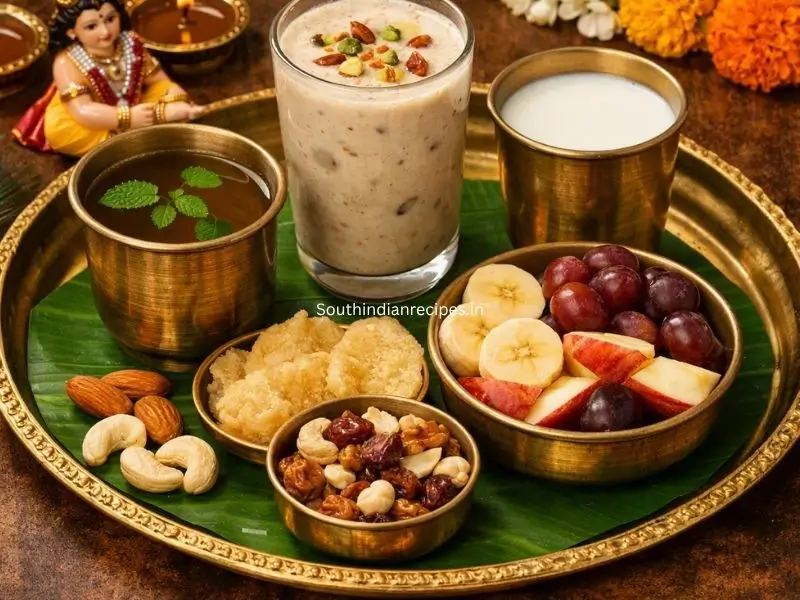
- Allowed foods: Fruits, milk, curd, butter, ghee, dry fruits, sabudana, singhara atta, kuttu atta, and rock salt.
- Avoided foods: Onion, garlic, grains, pulses, meat, alcohol, and processed foods.
- Principle: Food should be sattvik — light, pure, and spiritually uplifting.
Coffee, however, is not mentioned in scriptures. Its acceptance depends on interpretation of sattvik guidelines.
Coffee and Fasting — Cultural Perspective
| Aspect | Traditional View | Modern View |
|---|---|---|
| Purity | Coffee is considered tamasic (stimulating, heavy). | Some devotees allow black coffee without additives. |
| Energy | Fasting should rely on natural foods like fruits and milk. | Coffee provides alertness but may cause acidity. |
| Spiritual Discipline | Avoid stimulants to maintain calmness. | Moderate intake seen as acceptable by some. |
Health Considerations
- Acidity: Coffee on an empty stomach can cause discomfort.
- Dehydration: Caffeine is a diuretic, which may reduce hydration during fasting.
- Energy: While coffee boosts alertness, fruits and milk provide more balanced energy.
Sattvik Alternatives to Coffee
| Drink | Ingredients | Why It’s Better |
|---|---|---|
| Milk with Cardamom | Warm milk, cardamom | Calming and sattvik |
| Tulsi Tea | Tulsi leaves, hot water | Herbal, soothing, spiritually significant |
| Dry Fruit Shake | Milk, almonds, dates | Nutritious and filling |
| Lemon Water with Honey | Lemon, honey, water | Refreshing and hydrating |
| Buttermilk (Chaas) | Curd, water, rock salt | Cooling and digestive |
Personal Experience
In my kitchen, Janmashtami mornings begin with tulsi tea instead of coffee. My grandmother always said, “On Krishna’s birthday, let your mind be calm, not restless.” Over the years, I’ve realized that avoiding coffee isn’t about restriction — it’s about aligning with the spirit of the fast.
Frequently Asked Questions (FAQs)
Que 1. Is coffee strictly prohibited in Janmashtami fast?
Ans: Traditionally yes, but some modern devotees allow plain black coffee.
Que 2. Can I drink tea instead?
Ans: Herbal teas like tulsi are acceptable; avoid strong masala tea.
Que 3. What if I get headaches without coffee?
Ans: Opt for milk-based drinks or dry fruit shakes for natural energy.
Que 4. Is green tea allowed?
Ans: Yes, if consumed plain without additives.
Que 5. Can children drink coffee during fast?
Ans: No, it’s better to give them milk or fruit-based drinks.
Conclusion
So, can we drink coffee in Janmashtami fast? Traditionally, no — coffee is considered tamasic and avoided to maintain purity. However, modern practices vary, with some allowing plain black coffee. The essence of fasting lies in discipline, devotion, and sattvik living. Choosing herbal teas, milk, or fruit-based drinks aligns better with the spirit of Janmashtami.
In the end, fasting is not about deprivation but about mindfulness. When you avoid stimulants like coffee, you honor the sanctity of Krishna’s birth with calmness and clarity.