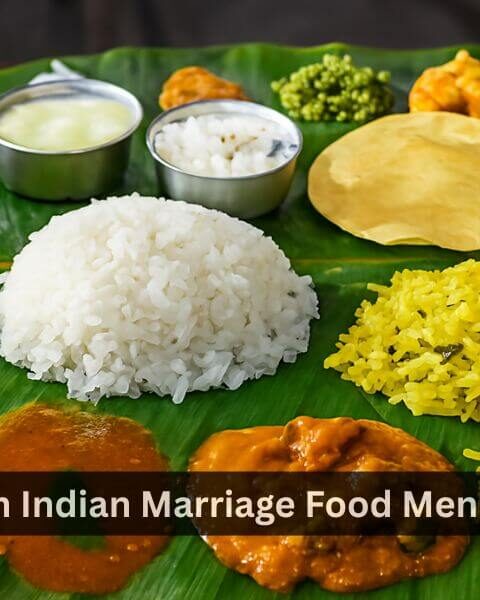
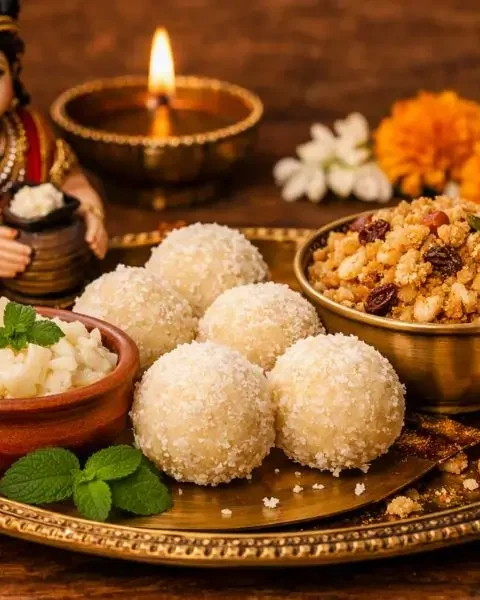
Ekadashi, observed twice a month in the Hindu lunar calendar, is a sacred fasting day dedicated to Lord Vishnu. Devotees abstain from certain foods to purify the body and mind, focusing on prayer and spiritual discipline. One of the most common questions is: “Why not eat rice on Ekadashi?”
As a South Indian recipes expert, I’ve seen how families adapt their meals during Ekadashi—replacing rice with millets, sabudana, or fruits. This practice is not just ritualistic; it has deep spiritual, cultural, and scientific reasoning.
The Spiritual Reason
Rice is considered a heavy grain that increases tamas (inertia) and rajas (restlessness) in the body. On Ekadashi, the goal is to cultivate sattva (purity and clarity). Eating rice is believed to disturb meditation and spiritual focus.
Ancient scriptures like the Padma Purana mention that rice attracts negative energies on Ekadashi, making it unsuitable for fasting. Devotees avoid rice to maintain spiritual discipline and devotion.
The Ayurvedic Perspective
Ayurveda emphasizes balance in diet. Rice, especially polished white rice, is:
- High in starch → causes drowsiness and lethargy.
- Quickly digested → may lead to hunger pangs during fasting.
- Moisture-retaining → believed to increase toxins (ama) in the body.
By avoiding rice, the digestive system rests, allowing the body to detoxify. Instead, lighter foods like fruits, nuts, and millets are recommended.
The Scientific Angle
From a modern nutritional standpoint:
- Rice has a high glycemic index, which can cause blood sugar spikes.
- During fasting, stable energy levels are crucial; rice may lead to fatigue.
- Alternatives like amaranth, buckwheat, and sabudana provide slow-release energy, keeping the body active and focused.
South Indian Ekadashi Alternatives
As a South Indian recipes expert, I’ve curated Ekadashi-friendly dishes that replace rice:
- Samai Pongal (Little Millet Pongal)
- Cooked with moong dal, ghee, pepper, and cumin.
- Light, wholesome, and spiritually aligned.
- Sabudana Upma
- Tapioca pearls sautéed with peanuts, curry leaves, and green chili.
- Provides sustained energy.
- Kuttu Dosa (Buckwheat Dosa)
- Fermented batter of buckwheat and curd.
- Crispy, filling, and gluten-free.
- Fruit & Nut Mix
- Banana, apple, dates, and almonds.
- Natural sugars keep energy stable.
- Amaranth Payasam
- Cooked with jaggery, cardamom, and coconut milk.
- A sweet dish that’s Ekadashi-compliant.
Personal Touch – From My Kitchen
Growing up in Tamil Nadu, Ekadashi mornings were special. My grandmother would prepare samai pongal instead of rice pongal, and the aroma of ghee and pepper filled the house. She explained that rice was avoided not just for tradition but to keep the body light for prayer.
Even today, I follow this practice—experimenting with millets and sabudana recipes that honor tradition while adding modern flavors.
Also Read: Can We Eat Anjeer in Fast | Benefits, Rules & Expert Tips
Conclusion
Rice is avoided on Ekadashi for spiritual purity, Ayurvedic balance, and scientific health reasons. By replacing rice with millets, sabudana, or fruits, devotees maintain energy, focus, and devotion throughout the day.
As a South Indian recipes expert, I see Ekadashi as an opportunity to explore traditional fasting foods that are both nourishing and spiritually uplifting.