Fasting in India is a beautiful blend of spiritual discipline and mindful eating. Whether it’s Ekadashi, Navratri, or Shravan, devotees follow a sattvic diet—pure, light, and energy-balancing. One common question that arises is: “Can we eat Anjeer (figs) during fast?”
As a South Indian recipes expert, I’ve often included Anjeer in fasting menus because it’s not only permissible but also highly beneficial. Let’s explore the spiritual, nutritional, and practical aspects of eating Anjeer during fasts.
What Is Anjeer?
Anjeer, or dried fig, is a naturally sweet fruit rich in fiber, calcium, and antioxidants. It’s often used in Indian sweets, smoothies, and fasting snacks. Unlike processed sweets, Anjeer provides natural energy and satisfies sugar cravings without breaking fasting rules.
Spiritual Aspect of Eating Anjeer During Fast
In Hindu fasting traditions, foods that are sattvic (pure and light) are allowed. These include fruits, nuts, milk, and certain grains.
Anjeer is considered sattvic because:
- It’s a natural fruit, not processed.
- It provides clean energy without heaviness.
- It supports mental clarity and devotion.
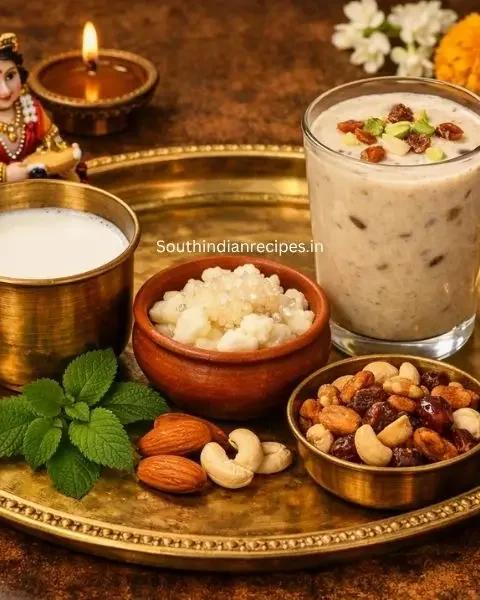
That’s why many devotees include Anjeer in their fasting diet—either eaten raw, soaked overnight, or added to milk-based dishes like Anjeer milkshake or Anjeer kheer.
Nutritional Benefits of Anjeer
Anjeer is a powerhouse of nutrients that help sustain energy during fasting:
| Nutrient | Benefit During Fast |
|---|---|
| Fiber | Keeps digestion smooth and prevents bloating. |
| Iron | Helps maintain energy and prevents fatigue. |
| Calcium | Supports bone health and muscle function. |
| Natural sugars | Provide instant energy without processed sugar. |
| Antioxidants | Detoxify the body and support immunity. |
Expert Tip: Soak 2–3 dried figs overnight and eat them in the morning with warm milk. It’s a traditional way to stay energized during long fasts.
When Can You Eat Anjeer During Fast?
It depends on the type of fast and regional customs:
| Type of Fast | Can You Eat Anjeer? | Reason |
|---|---|---|
| Ekadashi | ✅ Allowed | It’s a fruit and sattvic in nature. |
| Navratri | ✅ Allowed | Provides energy and balances sugar levels. |
| Karva Chauth | ✅ Allowed | Ideal for pre-fast or post-fast nourishment. |
| Shravan Mondays | ✅ Allowed | Light and spiritually pure food. |
Personal Touch – From My Kitchen
As a South Indian recipes expert, I often prepare Anjeer-based fasting dishes for my family. My favorite is Anjeer and almond milkshake—a creamy, energizing drink that keeps you full for hours.
Here’s my quick recipe:
- Soak 3–4 dried figs overnight.
- Blend with 1 cup milk, 5 almonds, and a pinch of cardamom.
- Serve chilled or warm.
It’s sattvic, nourishing, and perfect for fasting days.
Expert Tips for Eating Anjeer During Fast
- Soak before eating – improves digestion and nutrient absorption.
- Avoid mixing with heavy foods – keep meals light and simple.
- Pair with milk or nuts – enhances satiety and energy.
- Limit quantity – 2–3 figs are enough for balanced nutrition.
- Choose organic Anjeer – free from added sugar or preservatives.
Also Read: Can We Eat Anjeer in Navratri Fast? Benefits, Rules & Expert Tips
Conclusion
So, can we eat Anjeer in fast? ✅ Yes, absolutely! Anjeer is a sattvic fruit that aligns perfectly with fasting principles. It provides natural energy, improves digestion, and supports spiritual focus.
As a South Indian recipes expert, I recommend including Anjeer in your fasting diet—whether soaked, blended, or added to milk-based dishes. It’s a simple way to stay nourished while honoring tradition.