Maha Shivratri, “The Great Night of Shiva”, is one of the most sacred Hindu festivals. Devotees observe fasting, chanting, and nightlong vigils to honor Lord Shiva. While fasting is central to the celebration, many wonder: What Can We Eat During Maha Shivratri Fast? The vrat (fast) is not about deprivation—it’s about discipline, purification, and devotion.
Foods Allowed During Maha Shivratri Fast
According to traditional vrat rules, devotees consume light, sattvic foods that keep the body energized yet spiritually focused.
✅ Permissible Foods
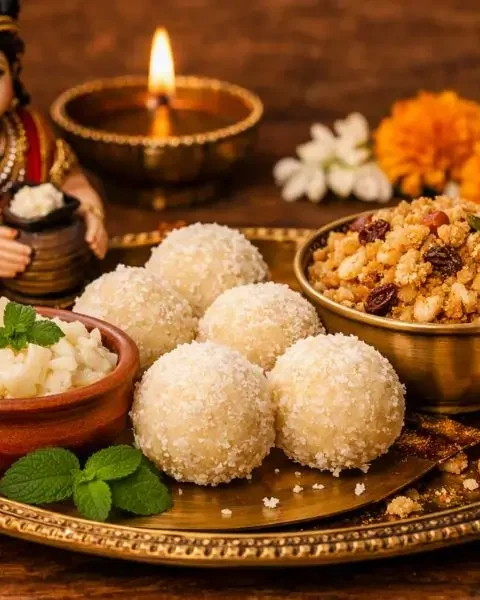
- Fruits: Bananas, apples, papaya, pomegranate, and seasonal fruits.
- Milk & Dairy: Milk, curd, paneer, and buttermilk are commonly consumed.
- Nuts & Dry Fruits: Almonds, cashews, raisins, dates, and walnuts provide energy.
- Flours: Buckwheat flour (kuttu atta), water chestnut flour (singhare ka atta), and arrowroot flour (rajgira atta) are used for rotis and puris.
- Vegetables: Potatoes, sweet potatoes, pumpkin, bottle gourd, and cucumber.
- Natural Sweeteners: Honey and jaggery instead of refined sugar.
- Rock Salt (Sendha Namak):** Used instead of regular salt.
Foods to Avoid
- Grains & Cereals: Rice, wheat, pulses, and dals are avoided.
- Onion & Garlic: Considered tamasic, hence not consumed.
- Processed Foods: Packaged snacks or fried items that distract from the spiritual purpose.
Spiritual Significance of Vrat Foods
- Lightness: Simple foods reduce digestive load, allowing focus on meditation.
- Purity: Sattvic diet aligns with the spiritual energy of Lord Shiva.
- Discipline: Restricting food choices symbolizes self‑control and surrender.
Practical Tips
- Hydration: Drink plenty of water, milk, or herbal teas to stay energized.
- Balanced Meals: Combine fruits with nuts for sustained energy.
- Smart Cooking: Use vrat flours to prepare rotis, puris, or pancakes.
- Mindful Eating: Treat every bite as sacred, consumed with gratitude.
I remember my first Maha Shivratri fast. My family prepared kuttu ki puri with curd and fruits. Initially, I thought the limited options would feel restrictive, but the simplicity of the meal brought a sense of calm. Eating light yet nourishing food kept me awake through the night vigil, and I realized the fast wasn’t about hunger—it was about clarity, devotion, and inner strength.
Conclusion
During Maha Shivratri, devotees eat fruits, milk, nuts, vrat flours, and sattvic vegetables, while avoiding grains, onion, garlic, and processed foods. The vrat diet is designed to purify the body, discipline the mind, and deepen spiritual connection with Lord Shiva.
Maha Shivratri fasting food is not just about what you eat—it’s about how you eat, with devotion, gratitude, and mindfulness.