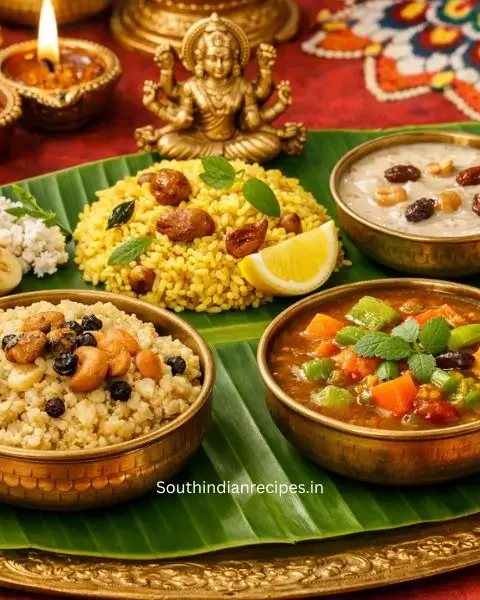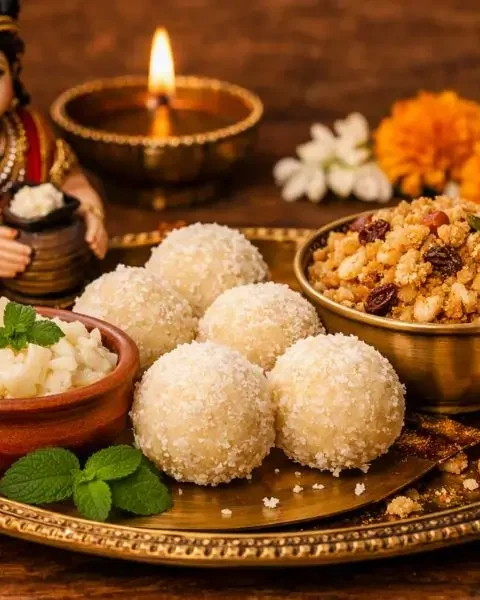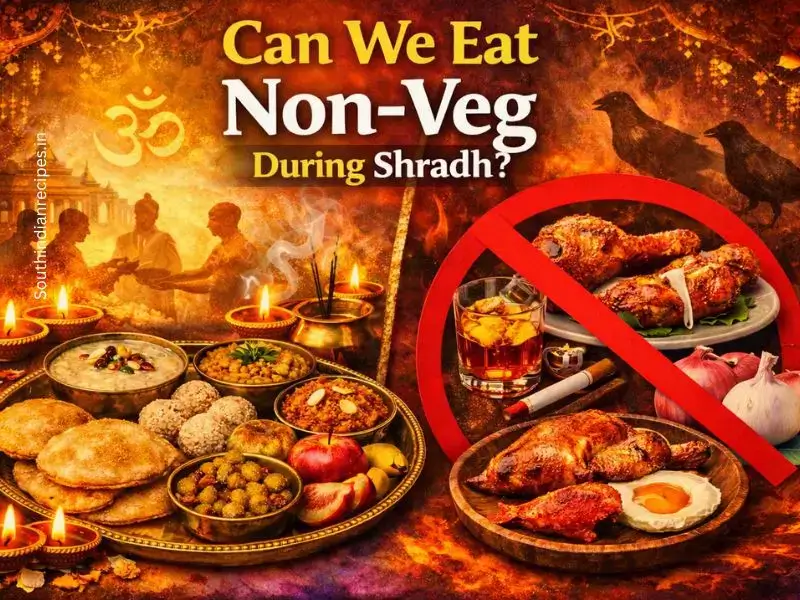
Shradh, or Pitru Paksha, is a revered two‑week period in Hindu tradition dedicated to paying homage to ancestors. It is observed as a time of remembrance, gratitude, and spiritual discipline, when families carry out rituals, prepare sattvik meals, and pray for the peace of departed souls.
A common doubt often raised is — Can we eat non‑veg during Shradh?
The answer lies in the very spirit of Shradh. This sacred fortnight is not meant for indulgence or celebration; it emphasizes purity, humility, and devotion. Food prepared during Shradh is regarded as a sacred offering rather than a regular meal. Every ingredient is chosen with care, carrying symbolic meaning, and each dish reflects respect for those who came before us.
The Spiritual Meaning of Shradh Food
Shradh rituals are performed to express gratitude toward ancestors and seek their blessings. The food offered during Shradh is considered prasadam — nourishment for the soul.
Hence, it must be sattvik — pure, vegetarian, and spiritually uplifting. The idea is to maintain mental calmness and purity while performing rituals.
Can We Eat Non‑Veg During Shradh?
| Food Type | Allowed? | Reason |
|---|---|---|
| Meat, Fish, Eggs | No | Tamasic and impure |
| Onion & Garlic | No | Disturbs spiritual focus |
| Alcohol & Tobacco | No | Pollutes body and mind |
| Vegetarian Food | Yes | Sattvik and pure |
| Fruits & Milk | Yes | Ideal for offerings |
Non‑vegetarian food is strictly prohibited during Shradh. It is considered tamasic, meaning it increases aggression, desire, and restlessness — qualities opposite to the calmness Shradh requires.
Shradh is about purity and remembrance, not indulgence. Consuming meat, fish, or eggs during this period is believed to disturb the sanctity of rituals and disrespect ancestral offerings.
Why Non‑Veg Is Avoided During Shradh
- Tamasic Nature: Non‑veg foods are heavy and stimulate desire, making them spiritually impure.
- Spiritual Discipline: Shradh demands restraint and mindfulness, not indulgence.
- Symbolic Purity: Food offered to ancestors must be clean, simple, and sattvik.
- Cultural Continuity: Generations have followed vegetarian Shradh meals to preserve sanctity.
Traditional Shradh Thali
| Dish | Type | Symbolism |
|---|---|---|
| Kheer (Rice Pudding) | Sweet | Purity & devotion |
| Poori | Bread | Completeness & offering |
| Dal (Moong/Arhar) | Light protein | Nourishment |
| Halwa (Sooji/Wheat) | Sweet | Gratitude |
| Pinda (Rice Balls) | Ritual food | Ancestor offering |
| Fruits | Fresh offering | Natural purity |
Each dish in the Shradh thali represents humility and devotion. The food is prepared without onion, garlic, or meat, and offered first to ancestors before being shared among family members.
Personal Experience
In my kitchen, Shradh mornings begin with quiet devotion. The fragrance of kheer simmering in milk fills the air, and my grandmother’s words echo — “During Shradh, cook with your heart, not your appetite.”
We never used meat or eggs during these days. Instead, our meals were filled with sattvik dishes — poori, dal, halwa, and fruits. The simplicity of the food felt like a prayer in itself.
Shradh Food vs Regular Meals
| Aspect | Shradh Food | Regular Meals |
|---|---|---|
| Ingredients | No onion, garlic, meat, eggs | Includes all |
| Nature | Sattvik & pure | Mixed |
| Purpose | Spiritual offering | Daily nourishment |
| Examples | Kheer, Dal, Poori, Fruits | Chicken curry, Egg omelette |
What to Eat During Shradh
| Food Item | Allowed Ingredients | Notes |
|---|---|---|
| Sabudana Khichdi | Sago, peanuts, potato | Light and sattvik |
| Samak Rice | Barnyard millet | Gluten‑free and pure |
| Kuttu Poori | Buckwheat flour | Ideal for vrat |
| Fruit Salad | Seasonal fruits | Refreshing and natural |
| Milk & Dry Fruits | Cow’s milk, almonds, dates | Energy‑rich and sattvik |
Spiritual Perspective
Shradh is not about restriction — it’s about discipline and devotion. The idea is to consume foods that keep the body light and the mind calm.
Non‑vegetarian food, being heavy and tamasic, disrupts this balance. Instead, sattvik foods like fruits, milk, and grains help maintain spiritual focus and gratitude.
Eating vegetarian food during Shradh aligns with the purity and wisdom that the rituals represent.
Cultural Practices Across India
| Region | Shradh Food Tradition |
|---|---|
| North India | Strict sattvik meals — kheer, poori, dal |
| Maharashtra | Puran Poli, rice, and fruits |
| Tamil Nadu | Simple rice, dal, and ghee offerings |
| Bengal | Payesh (kheer) and fruits |
| Gujarat | Falahar thali — sabudana, milk, and fruits |
Despite regional variations, the essence remains the same — purity and devotion.
Also Read: What to Cook & Eat During Shradh | Traditional Shradh Food Guide
Conclusion
So, can we eat non‑veg during Shradh? The answer is simple — no. Shradh is a time for purity, remembrance, and devotion. Non‑vegetarian foods are avoided to maintain spiritual sanctity.
When you prepare sattvik meals during Shradh, you’re not just cooking — you’re offering gratitude to your ancestors. The simplicity of kheer, the warmth of halwa, and the purity of fruits together form a sacred connection between generations.
Celebrate Shradh with humility and devotion, because true remembrance is served best on a plate filled with purity and love.