
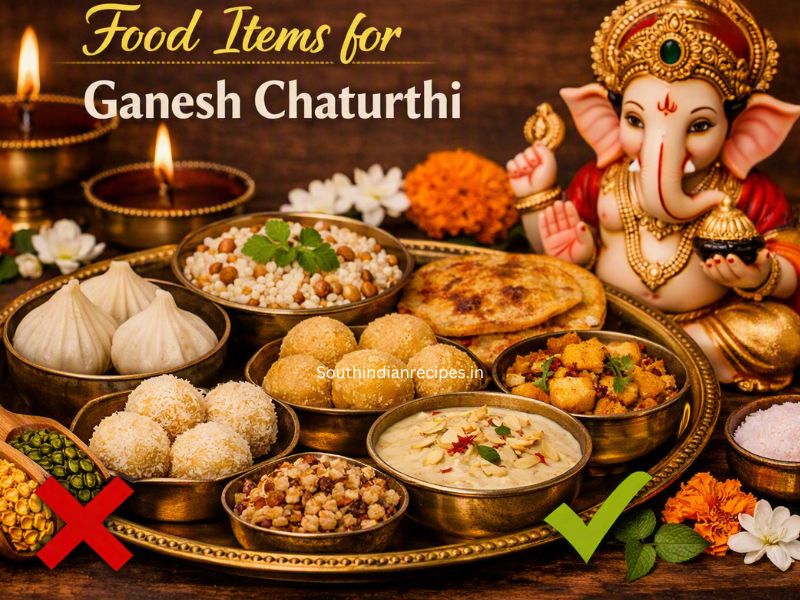
Ganesh Chaturthi is one of India’s most vibrant and spiritually rich festivals — a celebration of wisdom, prosperity, and devotion. As the rhythmic chants of “Ganpati Bappa Morya” echo through homes and streets, kitchens across the country come alive with the aroma of ghee, coconut, and jaggery.
Food during Ganesh Chaturthi isn’t just about taste — it’s about faith and symbolism. Every dish prepared for Lord Ganesha carries meaning, from the humble modak to the elaborate thali served after the puja. As a festival expert who has spent years curating authentic recipes and rituals, I’ve seen how food transforms this celebration into a heartfelt offering of love and gratitude.
Let’s explore the most cherished food items for Ganesh Chaturthi, their cultural significance, and how you can prepare them with devotion and simplicity.
The Spiritual Connection Between Food and Ganesh Chaturthi
Lord Ganesha is known as Modakpriya — the one who loves modaks. Food offered to him is called prasadam, symbolizing purity and gratitude. Devotees prepare sattvik (pure) dishes — free from onion, garlic, and meat — to maintain spiritual sanctity.
The festival’s food traditions vary across India, but the essence remains the same: celebration through simplicity and devotion.
Traditional Food Items for Ganesh Chaturthi | What to Eat on Ganesh Chaturthi?
1. Modak — The Divine Favorite
Ingredients: Rice flour, jaggery, grated coconut, ghee, cardamom.
Significance: Symbolizes wisdom and spiritual fulfillment.
Varieties:
- Ukadiche Modak (steamed, traditional Maharashtrian version)
- Fried Modak (crispy and rich)
- Chocolate Modak (modern twist for kids)
Expert Tip: Always offer 21 modaks to Lord Ganesha — it’s considered auspicious.
2. Puran Poli — Sweet Flatbread of Devotion
Ingredients: Chana dal, jaggery, wheat flour, ghee, cardamom.
Significance: Represents abundance and gratitude.
Serving Suggestion: Serve warm with ghee and milk after the puja.
3. Coconut Ladoo — Symbol of Purity
Ingredients: Grated coconut, jaggery, cardamom, ghee.
Significance: Coconut is considered sacred in Hindu rituals.
Tip: Use fresh coconut for authentic flavor and texture.
4. Sabudana Khichdi — Fasting Favorite
Ingredients: Sago pearls, peanuts, potato, rock salt, ghee.
Significance: Light and energy-rich, perfect for vrat (fasting).
Variation: Add grated coconut for South Indian flavor.
5. Poha Ladoo — Simple and Sattvik
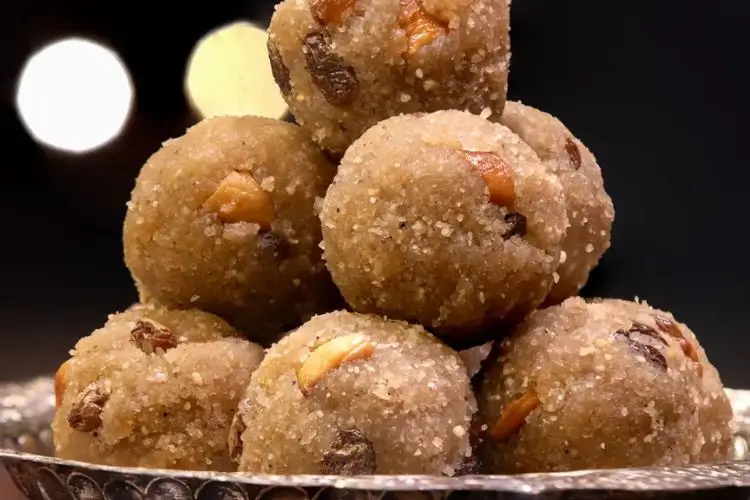
Ingredients: Flattened rice, jaggery, ghee, cardamom. Significance: Represents simplicity and devotion. Tip: Roast poha lightly before mixing for better aroma.
6. Sweet Pongal — South Indian Offering
Ingredients: Rice, moong dal, jaggery, ghee, cashews.
Significance: Symbolizes prosperity and divine blessings.
Serving Tip: Offer in brass bowls with tulsi leaves.
7. Besan Ladoo — Golden Sweet of Joy
Ingredients: Gram flour, ghee, sugar, cardamom.
Significance: Represents strength and purity.
Tip: Roast besan slowly for a nutty aroma.
8. Kheer — The Universal Prasadam
Ingredients: Milk, rice, sugar, cardamom, dry fruits.
Significance: Offered in temples as a symbol of divine sweetness.
Variation: Try sabudana kheer for fasting days.
9. Batata Bhaji — Simple Maharashtrian Delight
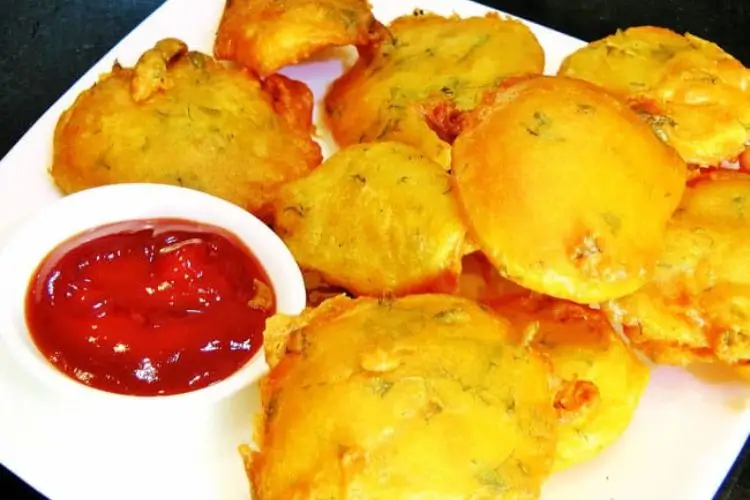
Ingredients: Boiled potatoes, mustard seeds, curry leaves, rock salt.
Significance: Served as part of the Ganesh Chaturthi thali.
Tip: Avoid onion and garlic to keep it sattvik.
10. Panjiri — North Indian Prasadam
Ingredients: Wheat flour, ghee, sugar, dry fruits, poppy seeds.
Significance: Strengthens the body after fasting.
Serving Tip: Offer in small brass bowls with tulsi leaves.
Complete Ganesh Chaturthi Thali
| Dish | Type | Symbolism |
|---|---|---|
| Modak | Sweet | Wisdom & fulfillment |
| Puran Poli | Sweet | Gratitude & abundance |
| Coconut Ladoo | Sweet | Purity & devotion |
| Sabudana Khichdi | Fasting food | Energy & simplicity |
| Batata Bhaji | Savory | Balance & comfort |
| Kheer | Sweet | Divine sweetness |
| Panjiri | Sweet | Strength & nourishment |
Traditional vs Modern Ganesh Chaturthi Foods
| Aspect | Traditional Foods | Modern Adaptations |
|---|---|---|
| Ingredients | Jaggery, ghee, coconut, rice flour | Chocolate, condensed milk, sugar substitutes |
| Cooking Method | Steamed or slow-cooked | Quick, fusion-style |
| Symbolism | Deeply spiritual | Creative reinterpretation |
| Examples | Modak, Puran Poli, Kheer | Chocolate Modak, Dry Fruit Barfi, Coconut Truffles |
Fasting-Friendly Food Items
| Food Item | Allowed Ingredients | Notes |
|---|---|---|
| Sabudana Khichdi | Sago, peanuts, potato | Avoid regular salt |
| Samak Rice | Barnyard millet | Gluten-free and light |
| Kuttu Poori | Buckwheat flour | Ideal for vrat |
| Fruit Salad | Seasonal fruits | Refreshing and pure |
| Milk & Dry Fruits | Cow’s milk, almonds, dates | Energy-rich and sattvik |
Frequently Asked Questions (FAQs)
Que 1. What are the main food items for Ganesh Chaturthi?
Ans: Modak, Puran Poli, Coconut Ladoo, Sabudana Khichdi, and Kheer are the most popular.
Que 2. Can we eat onion and garlic during Ganesh Chaturthi?
Ans: No, all dishes should be sattvik — free from onion, garlic, and meat.
Que 3. What sweets are offered to Lord Ganesha?
Ans: Modak, Ladoo, and Puran Poli are considered his favorites.
Que 4. Are fasting foods different from prasadam?
Ans: Yes, fasting foods are light and sattvik, while prasadam includes sweets offered after puja.
Que 5. Can we prepare fusion dishes for Ganesh Chaturthi?
Ans: Yes, modern versions like chocolate modak or dry fruit ladoo are acceptable if made with devotion.
Also Read: Can We Eat Dal on Ganesh Chaturthi | Fasting Rules & Traditional Food Guide
Conclusion
Ganesh Chaturthi is a festival where food becomes a language of devotion. Each dish — from the humble modak to the rich puran poli — carries centuries of tradition and love.
The best food items for Ganesh Chaturthi are those prepared with purity, patience, and heartfelt intention. Whether you follow traditional recipes or add a modern twist, remember that the essence lies in devotion, not decoration.
As you serve your festive thali this year, may every bite bring blessings,


